
What to Expect During an Asphalt Blacktopping Project
People seeking asphalt blacktopping typically want a smooth, durable surface, and local contractors can provide expert service to ensure a quality, long-lasting result.
Understanding what to expect during an asphalt blacktopping project can help property owners feel more prepared and confident in the process. Whether planning to update a driveway, parking lot, or other paved surfaces, knowing the typical steps involved can clarify what will happen and how the work will impact daily routines. Local contractors who specialize in asphalt blacktopping are experienced in guiding property owners through each stage, ensuring the project runs smoothly and meets expectations.
For property owners in the area, exploring this topic is a practical step toward making informed decisions about their paving needs. Professional service providers are equipped to handle everything from surface preparation to final finishing, helping to achieve durable results that enhance property value and safety. Continuing to learn about what to expect during an asphalt blacktopping project can make the experience less stressful and more straightforward, connecting property owners with the local expertise needed to get the job done right.
- Asphalt driveway - homeowners planning to replace or upgrade their driveway can rely on local contractors to prepare the site and execute a durable blacktop surface.
- Parking lot - business owners needing a new or resurfaced parking lot can expect professionals to handle the entire process efficiently and to code.
- Residential paving - residents seeking to improve their property’s curb appeal often turn to local service providers for expert blacktopping solutions.
- Driveway expansion - those adding to existing driveways or creating new access points can find local contractors ready to ensure proper grading and installation.
- Recreational courts - sports or recreational facility managers can work with pros to install smooth, level asphalt surfaces for courts and play areas.

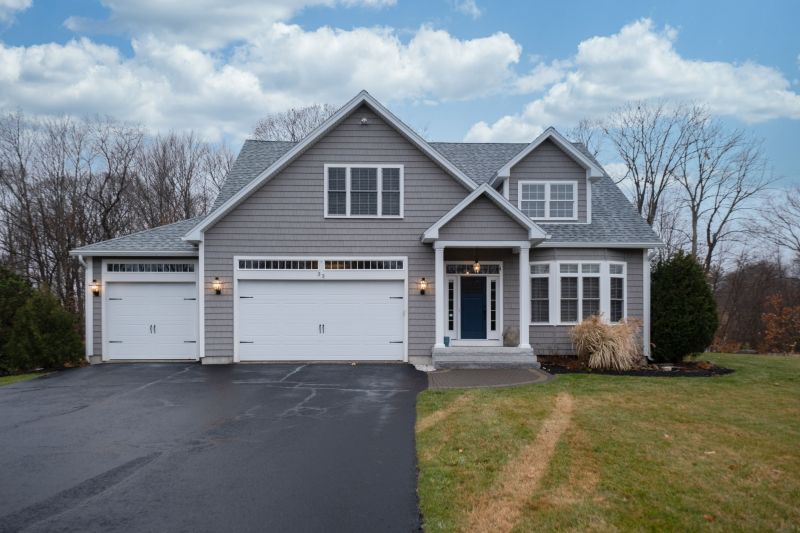

When searching for information on what to expect during an asphalt blacktopping project, homeowners are often looking to understand the general process involved in resurfacing or installing a new driveway or parking area. These projects typically involve removing the existing pavement, preparing the surface, and applying a fresh layer of asphalt to create a smooth, durable surface. People want to know what stages are involved, how long each step takes, and what kind of disruptions or inconveniences might occur during the work. Understanding these details helps homeowners plan accordingly and ensures they are prepared for the scope of the project, including any necessary preparations or adjustments to their property.
Many inquiries about asphalt blacktopping relate to property improvements or repairs, especially when existing driveways or parking lots have become cracked, uneven, or worn out. These projects are often part of larger efforts to enhance curb appeal, improve safety, or accommodate increased vehicle traffic. Homeowners may also be considering blacktopping for new construction or expansion projects, such as adding a driveway to a new garage or creating additional parking space. Recognizing these common problems and plans helps homeowners determine whether a blacktopping project is suitable for their property and what kind of results to expect once the work is complete.
Properties that typically come up in discussions about asphalt blacktopping include residential homes, especially those with driveways that have seen years of weathering, cracking, or deterioration. Commercial properties, such as parking lots for small businesses or retail centers, also frequently require blacktopping to maintain a professional appearance and ensure safety for customers and employees. Additionally, multi-family housing complexes and community centers often need periodic resurfacing to manage increased traffic and maintain property value. Local service providers are experienced in handling these different property types, understanding the unique requirements and challenges each one presents, and delivering results that meet the needs of property owners.
During an asphalt blacktopping project, homeowners can expect a sequence of steps that ensure a quality finish. Initially, the existing surface is inspected and prepared, which may involve removing old pavement, cleaning the area, and making necessary repairs to the base. Once the surface is ready, the new asphalt is laid down in layers, compacted, and smoothed to achieve a uniform appearance. Throughout the process, local pros work to minimize disruptions, though some noise, dust, or limited access to parts of the property may occur temporarily. Understanding what to expect during an asphalt blacktopping project helps homeowners stay informed and confident that experienced local contractors will handle each phase professionally to deliver a durable, long-lasting surface.
Paving Repair Services - these projects involve fixing cracks, potholes, and surface damage, requiring similar surface preparation skills as asphalt blacktopping projects.
Driveway Resurfacing - this service involves applying new layers of asphalt or overlay materials, sharing planning and surface preparation techniques with blacktopping work.
Parking Lot Maintenance - maintaining and restoring parking lot surfaces involves similar assessment, surface prep, and application processes as asphalt blacktopping projects.
Roadway Paving - constructing or repaving roads demands expertise in surface grading, compaction, and material application comparable to blacktopping projects.
Sealcoating Services - applying protective sealants to asphalt surfaces requires surface cleaning and preparation skills akin to those used during blacktopping projects.
Surface Restoration Projects - restoring aged or damaged asphalt surfaces involves similar planning, surface prep, and application techniques as blacktopping services.
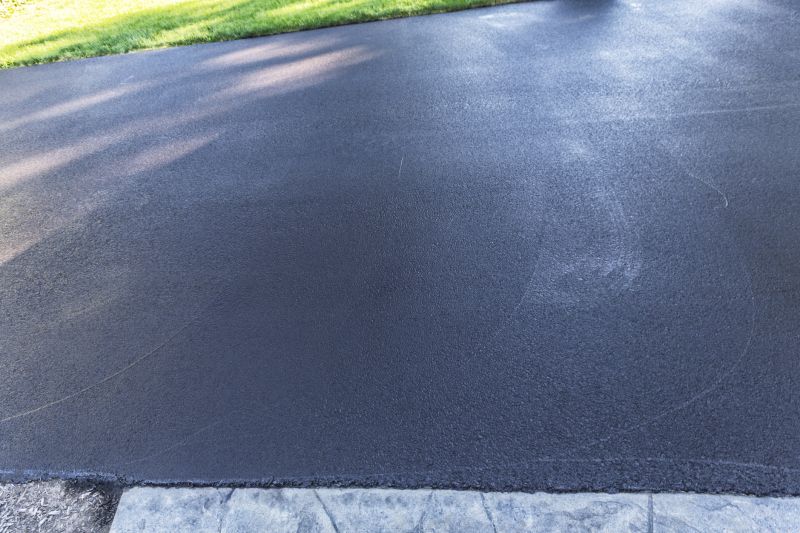
When comparing local contractors for asphalt blacktopping services, it’s important to consider their experience with similar projects. Homeowners should inquire about how many blacktopping jobs they have completed that resemble the scope and scale of the work needed. An experienced service provider will have a clear understanding of the process, potential challenges, and best practices to ensure a smooth project. Reviewing past work or requesting references can provide insight into their familiarity with projects like driveways, parking lots, or pathways, helping homeowners gauge whether the contractor has the relevant background to handle the specific requirements of their project.
Clear and detailed communication is essential when preparing for an asphalt blacktopping project. Homeowners should look for service providers who can articulate what to expect during the process, including preparation steps, the duration of each phase, and any necessary preparations on the homeowner’s part. Good communication also involves transparency about the scope of work, potential disruptions, and the timeline. Service providers who prioritize open dialogue and provide written expectations help ensure that homeowners have a realistic understanding of the project, reducing surprises and fostering a smoother experience.
Reputable references and strong communication skills are key factors when selecting a local contractor for asphalt blacktopping. Homeowners are encouraged to seek out service providers with positive feedback from previous clients, as this can reflect their reliability and quality of work. Additionally, a contractor’s ability to listen, answer questions thoroughly, and keep homeowners informed throughout the project contributes to a more confident and informed decision-making process. Choosing a contractor with a solid reputation and clear communication practices can lead to a more predictable and satisfactory experience during what to expect during an asphalt blacktopping project.
Property owners often search for what to expect during an asphalt blacktopping project when they are planning practical projects around their homes and businesses. Local pros provide Asphalt Blacktopping services for everyday jobs and straightforward project options.
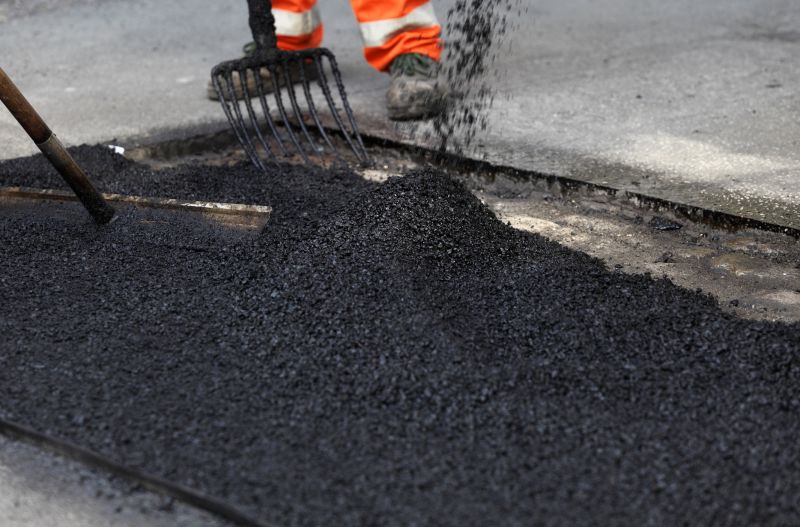

During an asphalt blacktopping project, property owners can typically expect to see the area prepared beforehand, which may involve cleaning and sometimes minor grading to ensure a smooth surface. Once the old pavement is removed or the existing surface is prepped, local contractors will lay down fresh asphalt, often working in sections to ensure proper compaction and evenness. Throughout the process, residents might notice equipment like rollers and asphalt spreaders in action, and it's common for the project to generate some noise and dust. These are normal parts of the work, and experienced service providers aim to complete the job efficiently while maintaining safety standards.
Understanding what to expect during an asphalt blacktopping project can help property owners plan accordingly. Typically, there may be some temporary restrictions on parking or access to the driveway or lot during the paving process. After the asphalt is laid, it needs time to cool and cure, so it’s advisable to avoid heavy vehicles or activities that could damage the new surface for a short period. Local contractors handle these projects with the goal of delivering a durable, smooth surface that enhances the property's appearance and functionality. Connecting with skilled service providers can ensure the process goes smoothly and the results meet expectations.
What should I expect during the preparation phase of an asphalt blacktopping project? Local contractors typically prepare the area by removing existing pavement, cleaning the surface, and ensuring proper grading to create a stable base for the new asphalt.
How is the asphalt laid during the blacktopping process? Service providers usually spread and level the hot asphalt mixture using specialized equipment, ensuring an even surface that meets project specifications.
What kind of curing or setting time is involved after blacktopping? Once the asphalt is laid, it generally requires time to cool and harden, which allows for proper compaction and bonding before the area is opened to traffic.
Will there be any disruption to my property during the project? Some disturbance, such as noise and limited access, is common during blacktopping, but local contractors aim to minimize inconvenience while completing the work efficiently.
What maintenance or follow-up should I expect after the asphalt blacktopping is completed? Local service providers may recommend periodic sealing or inspections to maintain the quality and longevity of the new asphalt surface.
Site preparation overview - Property owners should understand how the area will be cleared and prepared, ensuring proper drainage and a stable base for asphalt blacktopping services from local contractors.
Sequence of work - Knowing what steps are involved, from removing old pavement to laying new asphalt, helps property owners plan around the project’s typical progression.
Material considerations - Learning about asphalt types and surface options allows property owners to make informed decisions when working with local service providers.
Post-project expectations - Understanding the finishing touches and curing process can help property owners prepare for the final steps after asphalt blacktopping services are completed.
If you are thinking about what to expect during an asphalt blacktopping project for a property, this guide is meant to help you understand this topic, the typical project types, and how different options might fit your plans.
When you are ready, you can use the quote form on this page to share a few details about your project. From there, local pros can review the basics and follow up with options that match what you have in mind.